What's actually made in the 772?
Aircraft, sportfishing boats, aerospace parts, surgical tools and juice. Treasure Coast manufacturing is hiding in plain sight.
By the numbers
Ask someone to describe the Treasure Coast economy and you’ll probably hear about healthcare, construction, tourism, real estate and hospitality.
You probably won’t hear: aircraft. Sportfishing boats. Aerospace components. Surgical instruments. Metal fabrication. Electrical products. Juice.
But all of those are part of what’s being made here.
Manufacturing is hiding in plain sight
According to the Economic Development Council of St. Lucie County, the county has more than 480 businesses across manufacturing sectors, and manufacturing employs more than 5,400 people on the Treasure Coast.
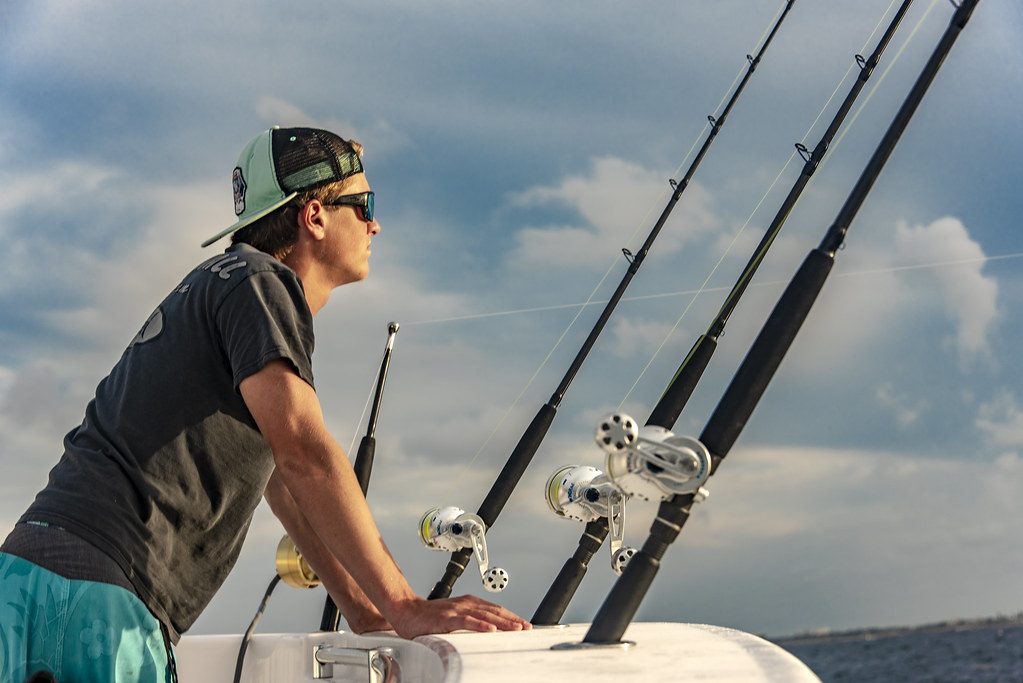
The products coming out of those facilities are surprisingly diverse. Some are obvious: the Treasure Coast’s relationship with boating makes marine manufacturing a natural fit.
Others are much less visible. Aerospace components. Specialized metal parts. Surgical tools. Plastics. Electrical components. Construction materials. Food and beverages.
Much of this work happens inside buildings most residents pass without ever seeing the production floor.
Fort Pierce is a serious boatbuilding center
The marine industry is the clearest example.
Pursuit Boats has built boats in Fort Pierce since 1983. Its campus has expanded repeatedly and now exceeds 430,000 square feet as the company approaches its 50th anniversary.
Maverick Boat Group builds four brands locally: Maverick, Hewes, Pathfinder and Cobia. (Here’s that story.)
Twin Vee builds power catamarans in Fort Pierce. The St. Lucie EDC’s manufacturer list adds more boatbuilders, including Billfish Boatworks and Bluewater Sportfishing Boats, plus marine accessory makers like TNT Boatworks and Hi-Tide Boat Lifts.
Pursuit describes the area as one of the largest boatbuilding regions in the world, known locally as the “Fiberglass Belt” for its concentration of boatbuilders, suppliers, subcontractors and skilled labor.
That concentration matters. Manufacturing clusters tend to reinforce themselves:
- One major manufacturer creates demand for suppliers.
- Suppliers attract skilled workers.
- Experienced workers make the region more attractive to other manufacturers.
- Training programs develop around industry needs.
Eventually an ecosystem forms, and that’s much harder for another region to copy than simply offering an empty building.
Vero Beach builds airplanes
Drive north and the manufacturing story moves from the water to the air.
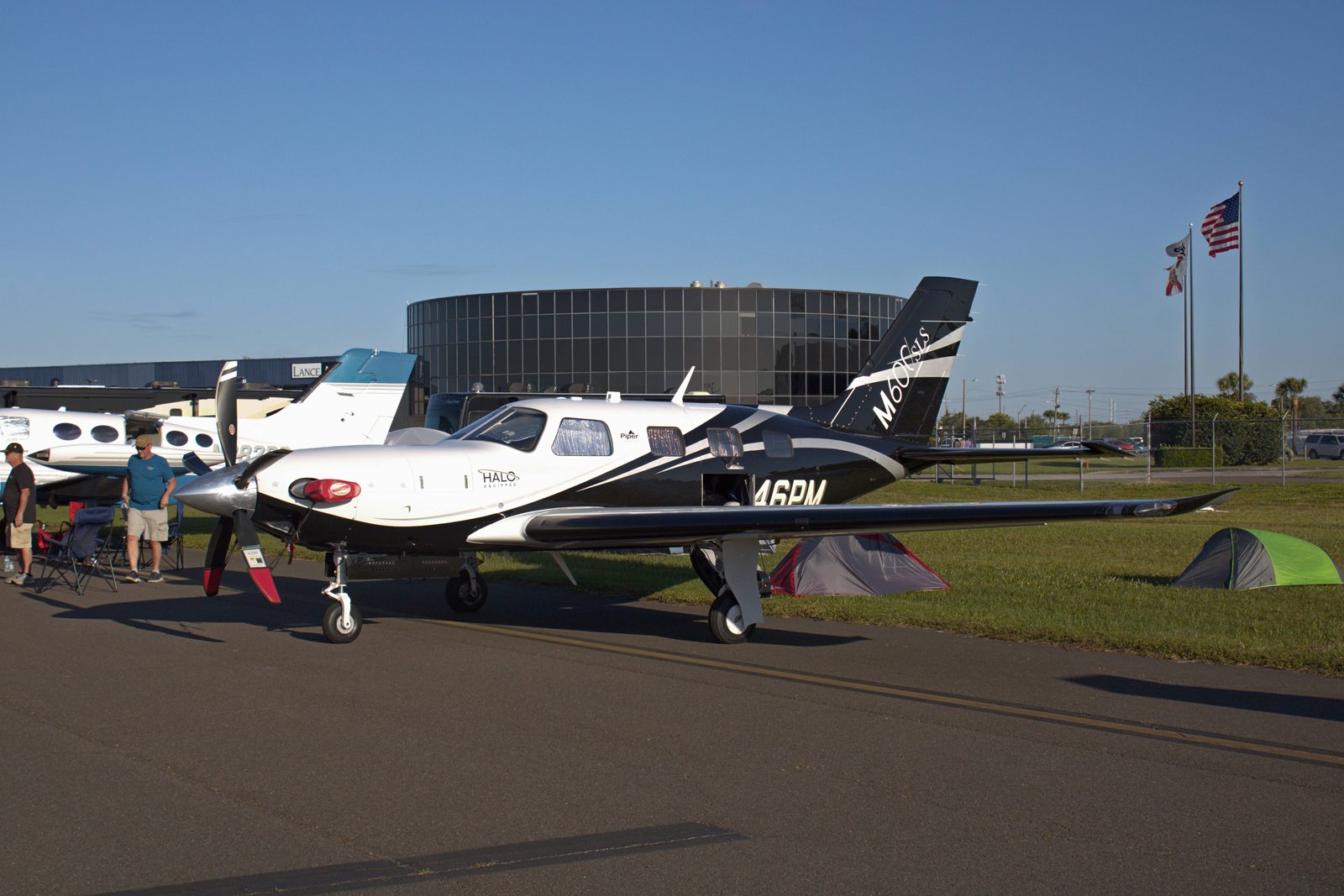
Piper Aircraft says its Vero Beach campus is where all Pipers are designed, engineered and built. Piper dates to 1937; its Vero Beach operation dates to 1957, when Fred Weick set up a development center and plant there.
Today Piper builds both trainer aircraft and personal and business aircraft in Indian River County, and they end up flying around the world.
The Treasure Coast isn’t merely consuming sophisticated products. It’s producing them.
Martin County adds more
The regional story doesn’t stop at the St. Lucie County line. Martin County has marine and aviation businesses of its own around Stuart and Witham Field. We’ll be digging into that side of the region in future stories.
Then there are the products you don’t expect
Food manufacturing is one example. The EDC’s list of Fort Pierce-area food producers includes Natalie’s Orchid Island Juice Company and Tropicana’s Fort Pierce operation.
Port St. Lucie and Fort Pierce also have companies working in metal fabrication, electrical products, plastics, surgical instruments and construction components. Some employ dozens of people. Pursuit alone employs nearly 600.
Most will never get the attention of a new restaurant opening. Economically, they matter a great deal.
Why manufacturing matters
Manufacturing has a multiplier effect. A manufacturer needs raw materials, transportation, equipment, maintenance, engineering, accounting, insurance, technology, construction, warehousing, packaging and professional services. And workers.
Those workers spend money elsewhere in the community. The result is an economic footprint that reaches well beyond the factory itself.
Manufacturing also gives a region something else: an identity as a place where things are created.
The workforce challenge
Making things requires people who know how to make them.
Modern manufacturing can involve CNC machining, composite materials, electronics, engineering, complex assembly, food processing technology and precision quality control.
That means the region’s ability to train and keep skilled workers matters as much as available industrial land. The St. Lucie EDC works with the Treasure Coast Manufacturers Association, St. Lucie Public Schools and local employers on programs like its “Ready to Work Boot Camp,” which connects new high school graduates with manufacturing and distribution jobs.
As the sector grows, that pipeline will matter even more.
We want to see it ourselves
Reading a list of manufacturers only tells part of the story. THE 772 wants to go inside.
How does a boat go from raw material to finished vessel? What does an aerospace manufacturing floor look like? How are surgical tools made? Who programs the machines? Who designs the components? Where do the finished products go? And who are the people doing this work every day?
Those are the stories behind the statistics.
So when you hear Built in the 772, take it literally. There are things being manufactured here every day that end up far beyond the Treasure Coast.
We’re going to find them.
Sources: St. Lucie County EDC, Manufacturing, Pursuit Boats, Piper Aircraft, Piper company history.