Meet Tritium, the St. Lucie nuclear plant's robot dog
WPTV met Tritium, the robot dog that goes in and out of high radiation areas at the St. Lucie nuclear plant, in an Oct. 22 report.
By the numbers
The St. Lucie nuclear plant has a robotic dog named Tritium, and WPTV got a look at it during a visit reported on Oct. 22, 2026. Nicholas Negron, whom the station identified as an associate innovation specialist, showed the robot as part of its report on the plant’s 50th year.
“We’re utilizing the robot to go in and out of high radiation areas, increasing efficiency both around our heavy machinery and around the plant,” Negron told the station.
WPTV’s story also describes drones and submersibles used to inspect equipment. Negron said the tools save time and bring “substantial cost savings for potential materials.”
What we know about the St. Lucie robot dog
- The name: WPTV identifies the robotic dog as Tritium.
- The tools: Negron told WPTV that staff also use drones and submersibles for equipment inspections.
- The job: Negron says the robot goes in and out of high radiation areas.
- The occasion: WPTV’s Oct. 22 report looks inside the plant during its 50-year anniversary.
“We’ve named them after nuclear isotopes,” Negron told WPTV. The station’s account presents Tritium as one example of how technology has changed employees’ work at the plant.
People still explain the work
The robot was one part of WPTV’s visit. The station also spoke with Alfred Phillips, identified in its report as a digital INC specialist, about checking the tools used to work on reactor controls.
Phillips told WPTV that his job is to calibrate that equipment and make sure it meets government standards and accuracy requirements. He said he had worked at the plant for nearly 20 years, according to the station.
His son, Alfred Sinclair Phillips, works in the operations department, WPTV reported. The younger Phillips told the station that following his father into the plant brought both pressure and pride.
How the plant makes power
Site vice president Carlos Santos gave WPTV a plain starting point: “The simplest way to put it is the reactor creates the heat.”
WPTV’s account describes uranium pellets stacked into rods, with heat producing steam that turns a turbine to generate electricity. The station reports that the site has two units and produces 11 percent of Florida Power & Light’s power.
Licensed for 20 more years
The plant is marking 50 years of operation, and the Nuclear Regulatory Commission just granted licenses for 20 more, WPTV reported. The station’s story does not say when Tritium started work at the plant.
What would you ask the person who works with Tritium: how it moves, what it checks or how staff steer it? Tell us on @the772fl.
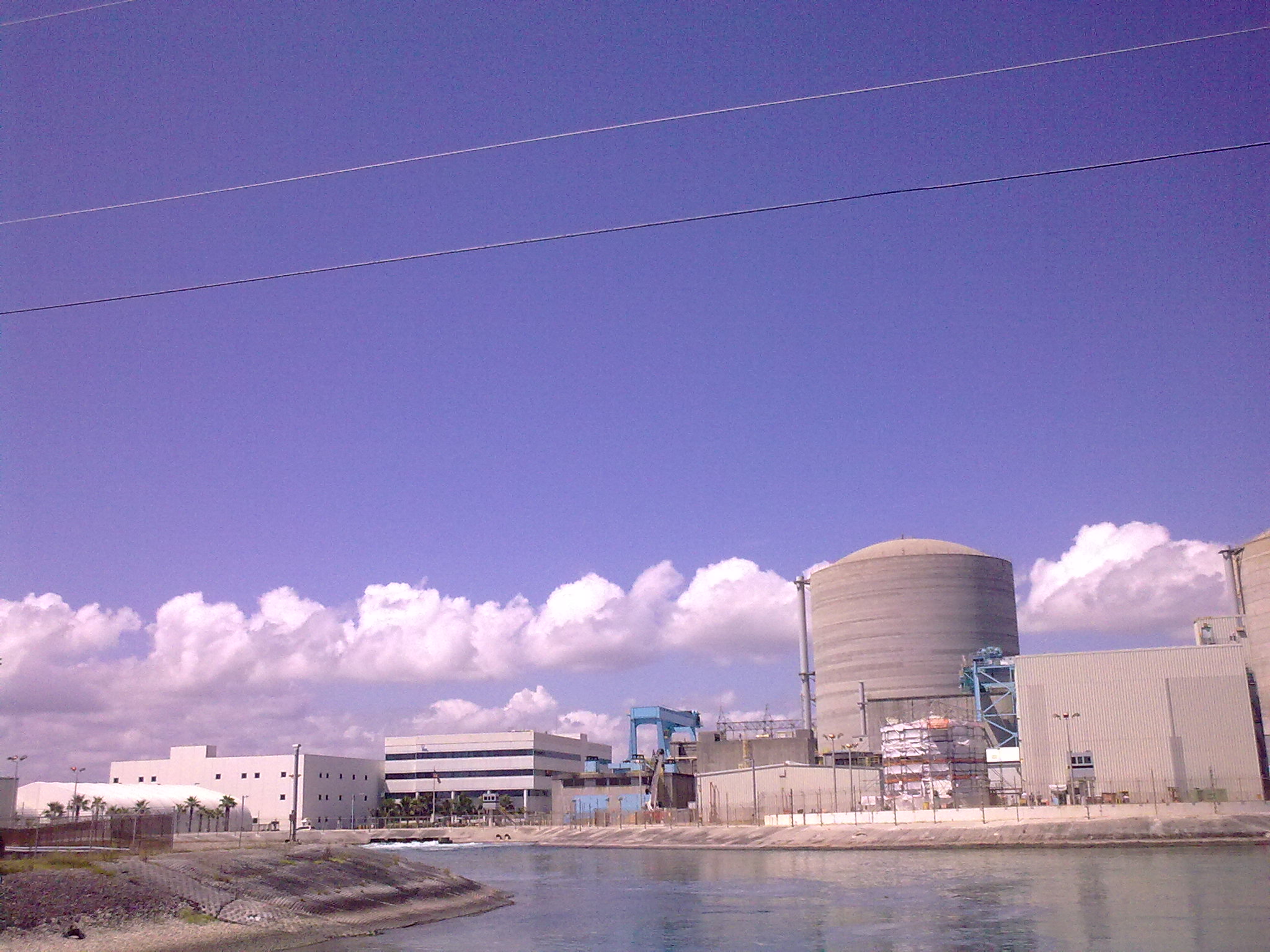
Photo: BlackNose, Wikimedia Commons, CC BY 3.0. Archival Aug. 12, 2009 plant photo; robot not pictured. Photo shown on this page is unchanged.
Sources: WPTV, Oct. 22, 2026.